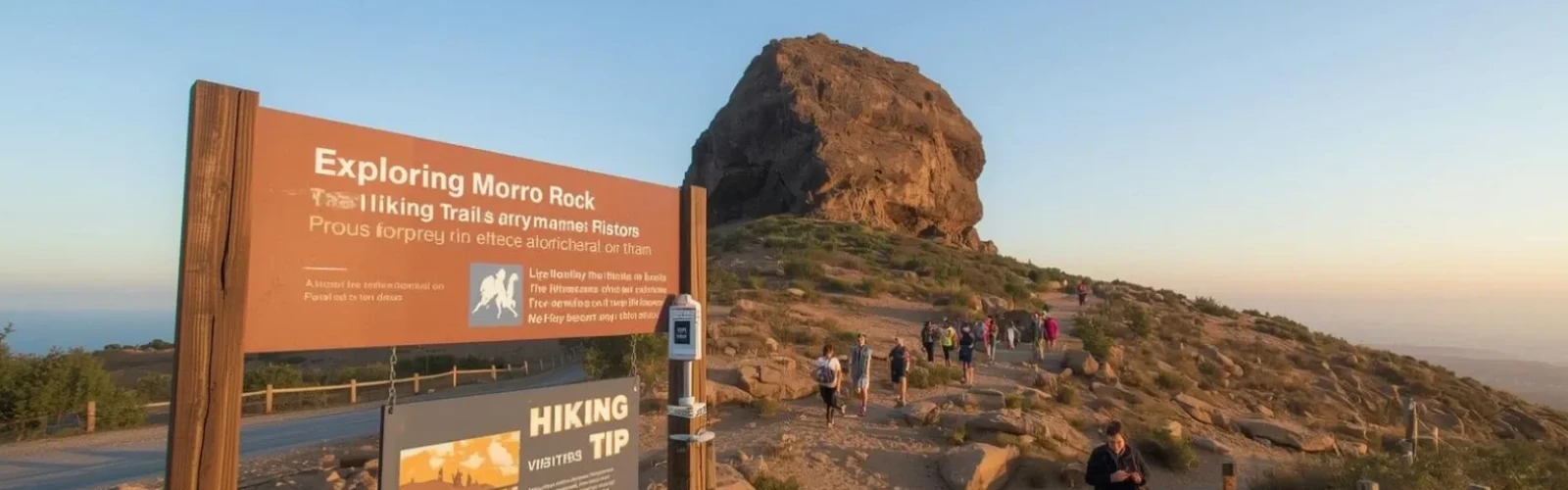
Exploring Morro Rock: Scenic Trails, Rich History & Complete Travel Guide

Introduction: Morro Rock’s Powerful Coastal Beauty
Morro Rock stands as one of California’s most breathtaking coastal monuments, rising dramatically above the waters of Morro Bay. This massive volcanic formation is often compared to the “Gibraltar of the Pacific” because of its commanding presence and fortress-like appearance. Visible from miles away, it immediately captures attention and serves as the defining landmark of the region.
Created millions of years ago through volcanic activity, Morro Rock is a prominent member of the Nine Sisters, a chain of ancient volcanic peaks stretching across California’s Central Coast. Its unique location directly beside the ocean gives it a striking identity unlike any other geological feature in the area.
For travelers, photographers, and outdoor enthusiasts, Morro Rock offers more than just scenery. It represents the spirit of Morro Bay, blending natural wonder with historical depth. Whether viewed at sunrise, explored from nearby trails, or admired from the harbor, Morro Rock creates a memorable connection between land, sea, and sky.
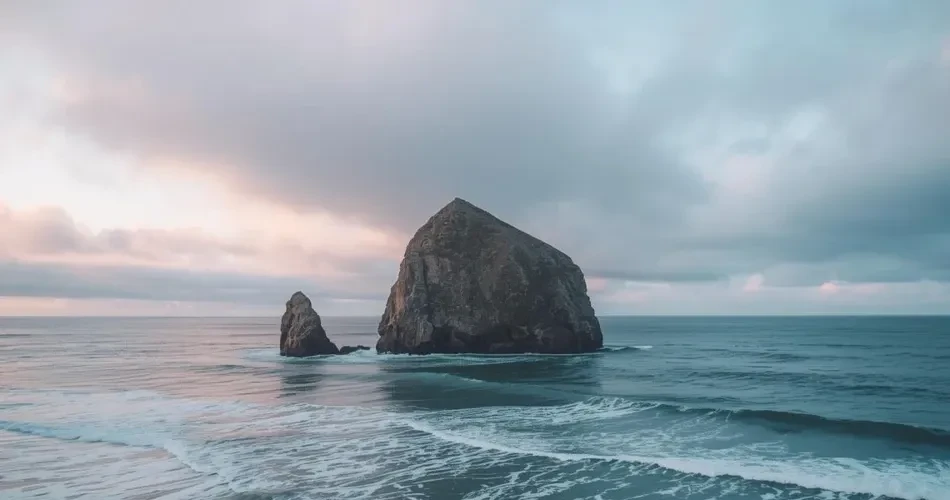
Ancient Volcanic Origins of Morro Rock
Morro Rock’s geological story began over 20 million years ago during a period of intense volcanic activity along California’s Central Coast. It formed as a volcanic plug, which occurs when molten magma hardens inside a volcano’s vent. Over countless centuries, erosion wore away the softer outer layers, leaving behind the massive rock structure visible today.
As part of the Nine Sisters volcanic chain, Morro Rock shares its origins with several inland peaks, though its dramatic coastal placement makes it especially distinctive. The rock’s rugged surface and towering form reveal the incredible natural forces that shaped this region over millions of years.
During the 19th century, portions of Morro Rock were quarried for harbor construction, reducing some of its original mass. This industrial use raised preservation concerns, eventually leading to stronger conservation measures.
Today, Morro Rock is protected as both a geological treasure and a symbol of California’s evolving landscape. It offers visitors a rare opportunity to witness Earth’s ancient volcanic history standing boldly at the ocean’s edge.

Morro Rock’s Cultural Legacy and Historic Role
Long before modern tourism, Morro Rock held deep cultural importance for Indigenous communities, particularly the Chumash and Salinan peoples. For these groups, the rock was not merely a landmark—it was a sacred place tied to spiritual traditions, navigation, and storytelling.
Its towering visibility also made it significant for European explorers and sailors. As ships approached California’s coast, Morro Rock served as a natural navigation beacon, helping guide maritime travel and signaling safe access to Morro Bay.
Over time, industrial quarrying threatened this historic landmark, sparking public concern and preservation efforts. Conservation movements helped secure legal protections that recognized Morro Rock’s historical, environmental, and cultural value.
Today, Morro Rock symbolizes the connection between Indigenous heritage, maritime exploration, and environmental stewardship. It stands not only as a natural wonder but also as a monument to the many communities that have relied on, respected, and protected it throughout history.
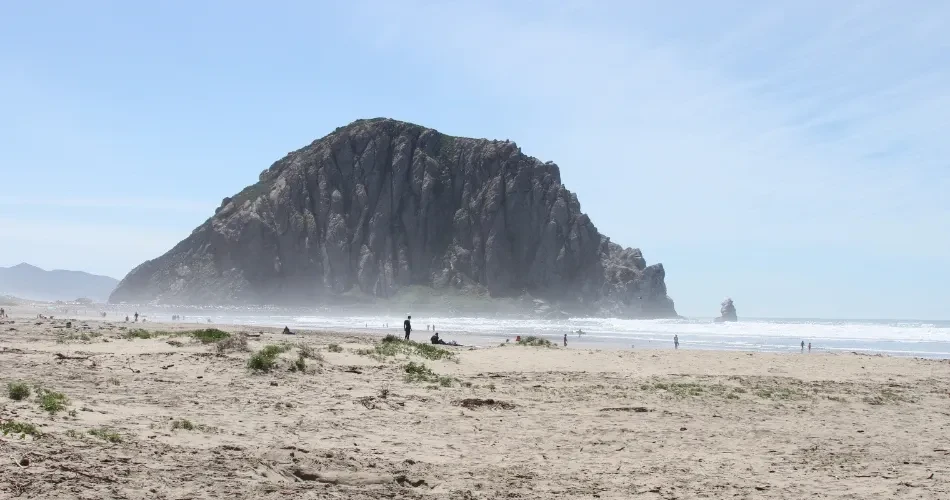
Wildlife and Coastal Ecosystems Around Morro Rock
Morro Rock is surrounded by a thriving coastal ecosystem that supports a remarkable variety of wildlife. Its steep cliffs provide protected nesting grounds for peregrine falcons, making it an important bird sanctuary.
The waters of Morro Bay are equally vibrant. Sea otters frequently float through the harbor, while sea lions and harbor seals can often be spotted resting nearby. Birdwatchers also enjoy sightings of pelicans, cormorants, gulls, and migratory shorebirds throughout the year.
Nearby estuaries and tidepools reveal another layer of biodiversity, including starfish, crabs, sea anemones, and other marine species. Seasonal shifts enhance this environment, with spring migration bringing additional bird activity and winter storms creating dramatic coastal scenes.
Because this ecosystem is carefully protected, visitors play an essential role in conservation. Respecting wildlife boundaries and staying on designated paths helps preserve Morro Rock’s delicate natural habitat for future generations.

Best Seasons and Times to Experience Morro Rock
Timing can greatly shape your Morro Rock experience. Early mornings are especially peaceful, offering softer light, fewer visitors, and excellent opportunities for photography. The calm atmosphere creates an ideal setting for shoreline walks and birdwatching.
Sunset is another unforgettable time to visit, as golden and orange hues reflect across the bay while Morro Rock becomes a dramatic silhouette against the evening sky. Midday offers bright visibility but often comes with larger crowds.
Spring and autumn are generally considered the best seasons for visiting. These months provide mild weather, active wildlife, and comfortable walking conditions. Summer often brings coastal fog and higher tourism levels, while winter offers quieter visits paired with dramatic ocean storms.
Because Morro Bay’s weather can shift quickly, layered clothing is recommended year-round. Checking tides and weather forecasts before your trip can also enhance sightseeing opportunities.

Essential Travel Tips for Visiting Morro Rock
A well-prepared visit to Morro Rock can make your experience smoother and more enjoyable. Comfortable footwear is important, especially if you plan to explore nearby walking paths, beaches, or observation areas.
Parking is available close to the landmark, though spaces can fill quickly during weekends and holidays. Arriving early often ensures better access and a quieter atmosphere. Nearby amenities such as restrooms, picnic areas, and waterfront facilities provide convenience for families and solo travelers alike.
Visitors should remember that climbing Morro Rock is prohibited to protect nesting birds and preserve the formation’s ecological balance. Respecting posted regulations and marked pathways helps maintain the site’s natural integrity.
Bringing binoculars, cameras, and weather-appropriate layers can significantly improve your visit. Whether your focus is photography, wildlife viewing, or scenic relaxation, responsible tourism ensures Morro Rock remains preserved and accessible for years to come.

Final Thoughts on Visiting Morro Rock
Morro Rock offers far more than scenic beauty—it is a destination where geology, culture, and nature intersect. Its volcanic origins tell the story of ancient Earth, while its cultural and historical significance reflects centuries of human connection.
From sacred Indigenous traditions to maritime navigation and modern conservation, Morro Rock carries a legacy that extends beyond its physical presence. The surrounding wildlife, coastal trails, and peaceful bay views enrich every visit.
Whether you are exploring Morro Bay for adventure, relaxation, or historical discovery, Morro Rock stands as one of California’s most unforgettable coastal treasures. Its enduring beauty and protected status remind us of nature’s power and the importance of preserving extraordinary landmarks for generations to come.

About Author
Sarah produces creative and informative content based on her travel experience. She keeps her blogs up-to-date with the latest information.